
On Tuesday, September 29, we held the conference “After the Escape: Final Adventure” in the Nova Gradiška City Hall as part of the “Inclusive Pathways to Peace” project. This Erasmus+ KA2 Cooperation Partnership in the youth field is implemented by our Association in collaboration with partner organizations Svetlost from Serbia, Erasmiau from Spain, and YEU from Cyprus, and is co-funded by the European Union. The conference aimed to present the project’s innovative Open Educational Resources (OERs) a booklet on Participatory Action Research (PAR) and the newly developed educational escape rooms.
The conference was opened by the project manager, Nikolina, who was joined in various panels by Klara, Magdalena, and
Manuela, all of whom actively participated in the project.
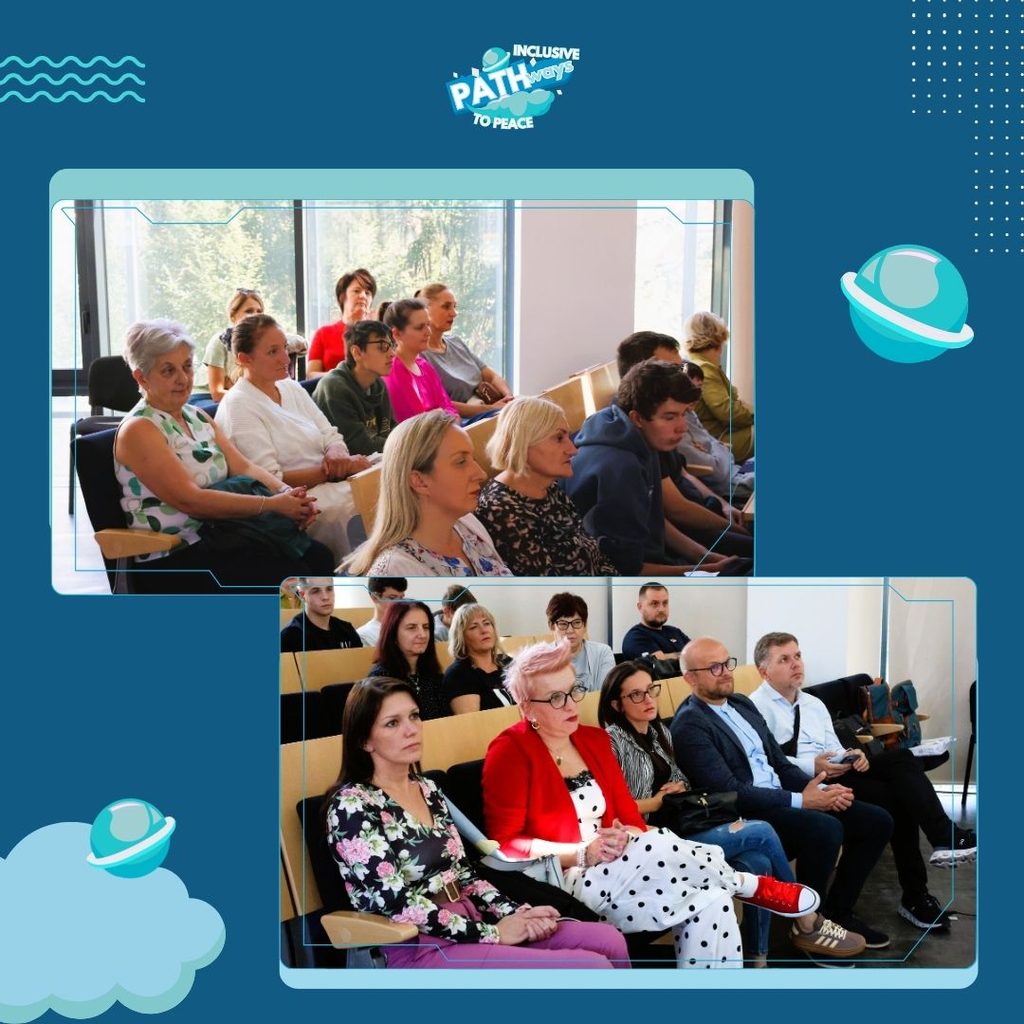
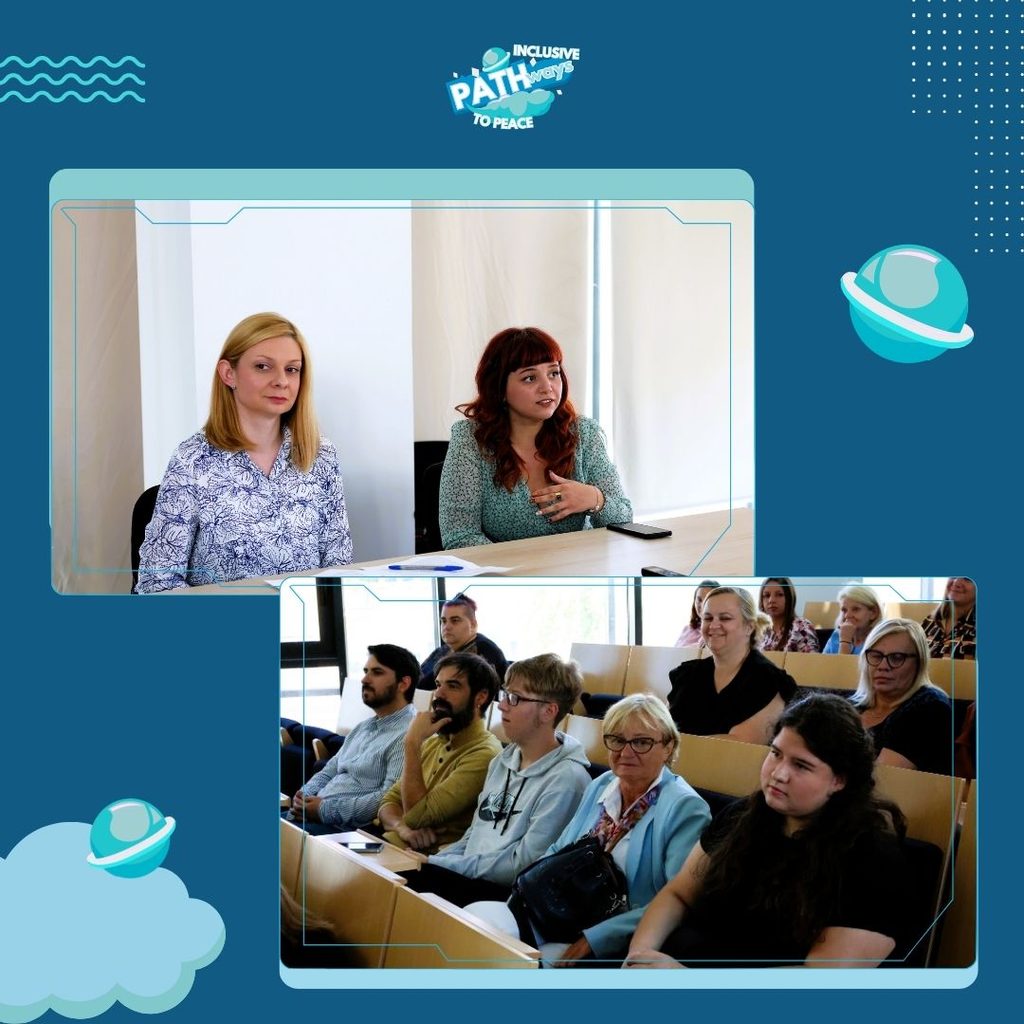
In her opening address, Nikolina welcomed the attendees and shared how this project idea was born. Peer violence, gender-based violence, and other forms of violence are growing issues in our society. At the same time, we still carry the consequences of recent historical conflicts, which continue to shape the attitudes of younger generations in both Croatia and Serbia. On the other hand, the other two partner countries face different challenges: Cyprus and Spain deal with separatist tendencies that occasionally escalate into conflict, with Nicosia remaining the only divided capital in Europe today. Relevant research across 12 Southeast European countries, from Slovenia to Turkey, showed a concerning rise in the fear of war among youth. Therefore, by opening the broad topic of peace education and subsequently developing tools targeting specific issues, we wanted to respond to these challenges.
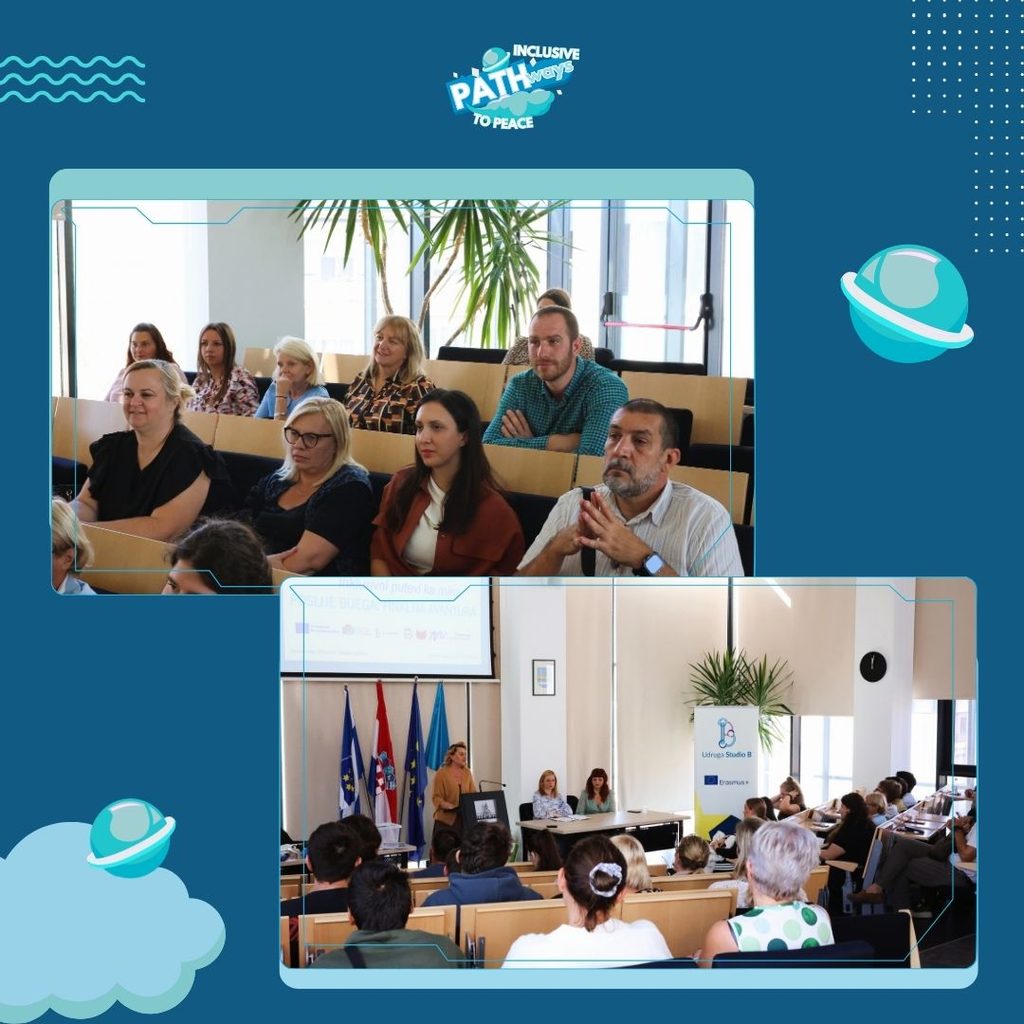
On behalf of the Mayor of Nova Gradiška, Marko Ćosić from the Department of Social Activities welcomed the audience. He congratulated the Association on a successfully implemented project, the opening of such a vital topic especially in our war-affected region and reaching over 180 youth and 130 Youth Practitioners (YPs), exceeding almost all project indicators. He also wished for a successful continuation of the project until its conclusion this November. Following him, Barbara Topolić, representing the Municipality of Vrbje, expressed her pride in the international dimension of the Association’s work, particularly regarding the created educational tools. She wished everyone a pleasant conference and expressed hope that Youth Practitioners (YPs) across different sectors will adopt these new tools and approaches. They are proven to help children and youth acquire knowledge faster through interactive methods, while the participatory research approach ensures their voices are truly heard.
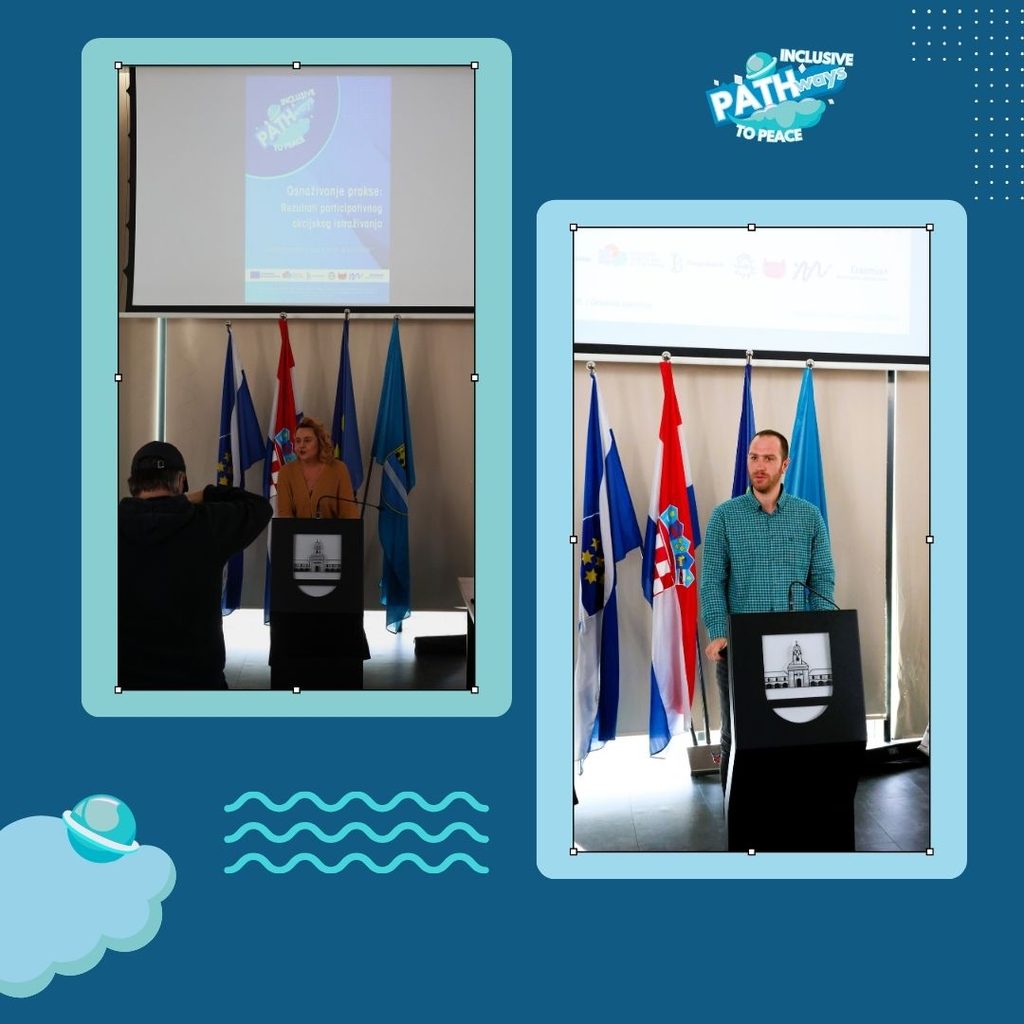
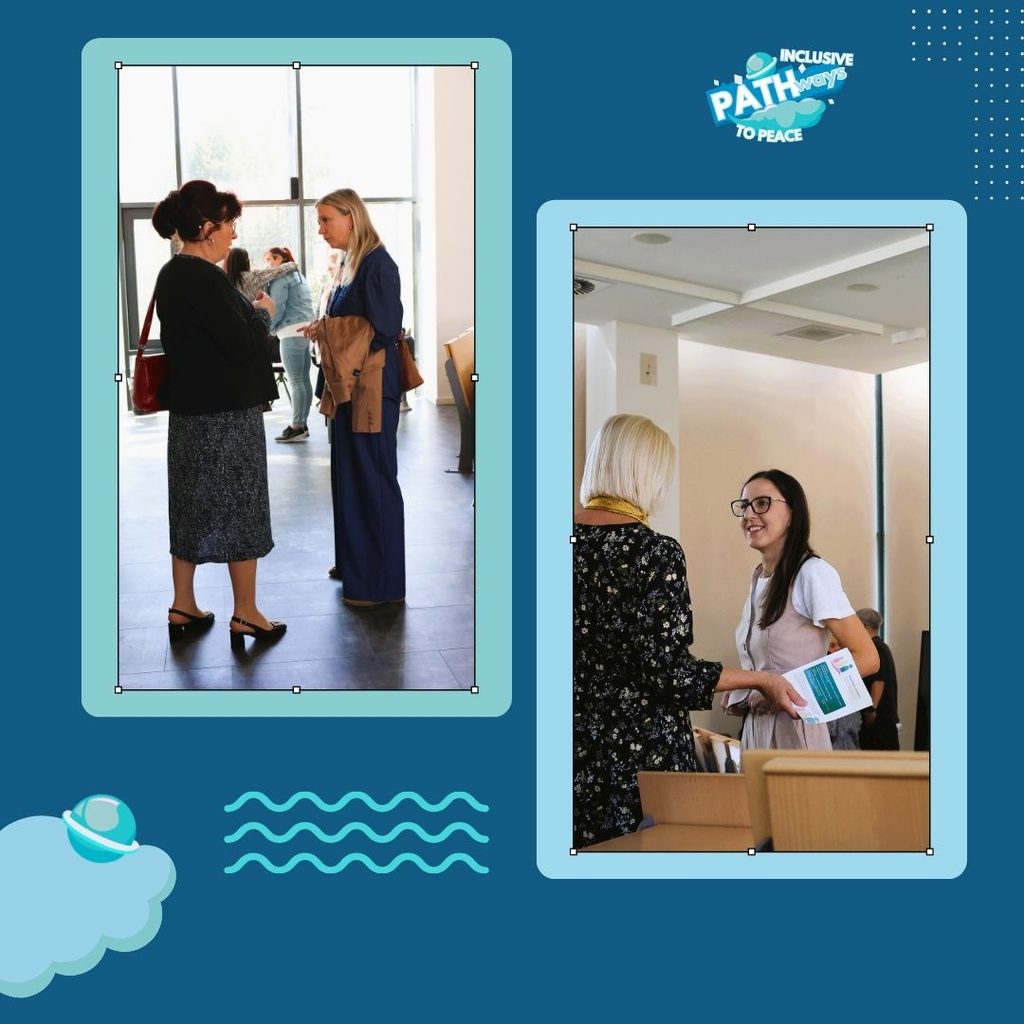
The conference gathered numerous relevant stakeholders: Brod-Posavina County representative Irma Pavić, City of Nova Gradiška representatives Gordana Šimić, Maja Savi, Tomislav Sigurnjak, and Marko Ćosić, representatives of the Croatian Institute for Social Work (Nova Gradiška Branch) Zdenka Bigović and Vesna Mihić, Open Public University Auto Moto Center representative Slavica Štefanac, Information Legal Center representative Valentina Štivičić, primary and secondary school teachers and their students, and other young people, as well as media representatives and partner associations.
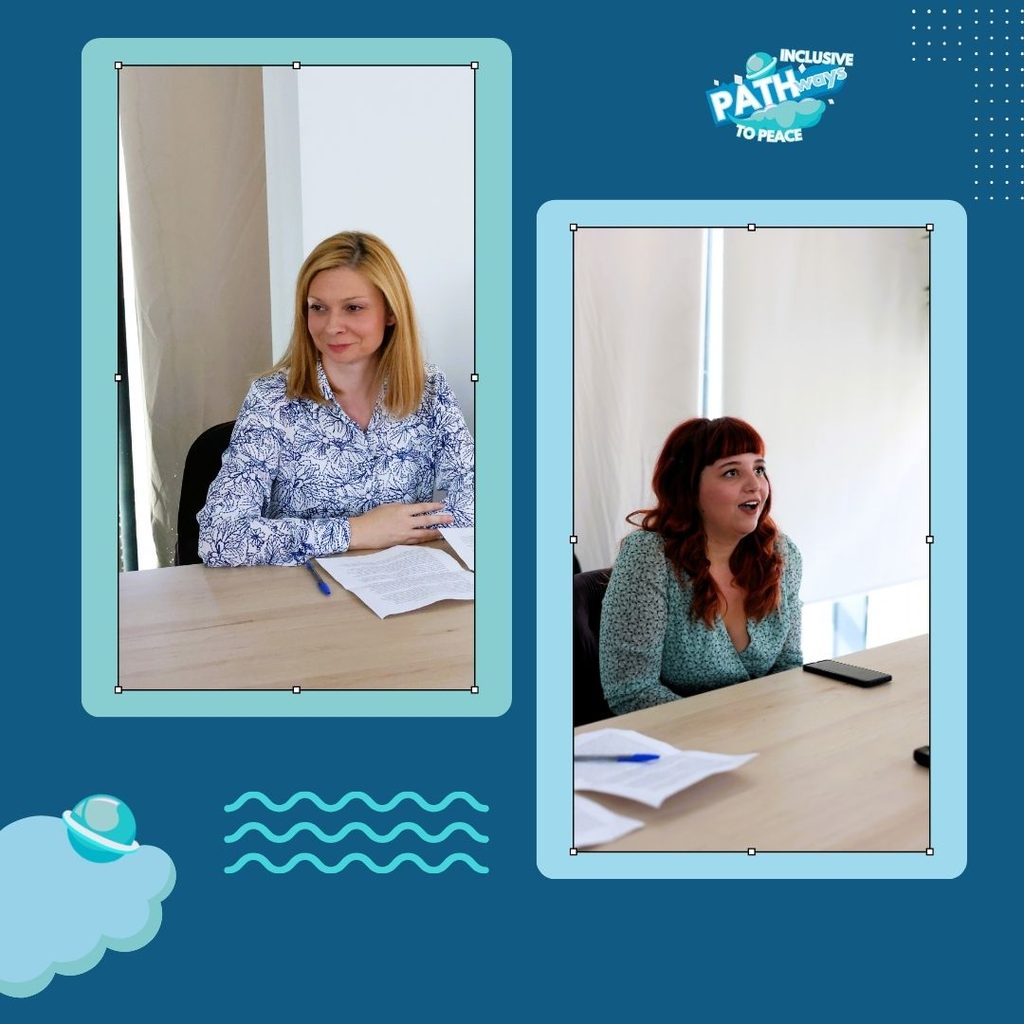
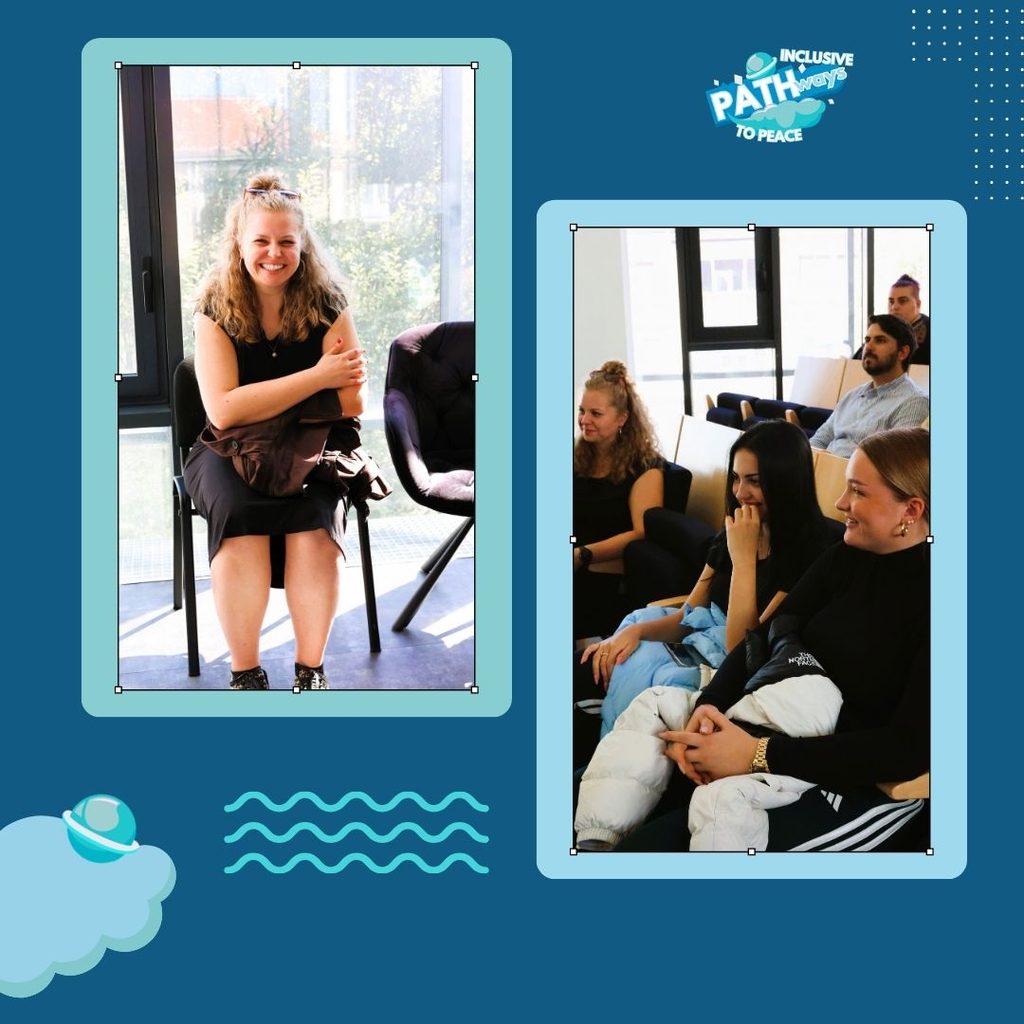
Following the introductory remarks, the first major project result was presented: the “Empowering Praxis: Participatory Action Research Results” booklet, designed as a guide for Youth Practitioners (YPs) across Europe. The fundamental principle of this approach was emphasized: “Nothing about youth without youth, is for youth,” meaning youth cease to be mere respondents and become active co-researchers. Furthermore, we shared some key findings of the research on youth perspectives on violence and marginalization, which included 237 young people from all four countries, along with solutions proposed by the youth themselves ranging from educational workshops and peer mediation to creative projects. Klara, a young person who participated in the PAR research, shared her experience. She explained that she initially didn’t know what to expect or how research is conducted, but by the end of the process, she had gained numerous new skills useful to her today from teamwork, creative thinking, and conducting in-depth interviews, to decision-making, data analysis, and creating research reports. Magdalena shared her impressions as a Youth Practitioner (YP), discussing the challenges she faced and what it felt like to entrust decision-making to the youth, creating a balance between leadership and partnership. She emphasized that the activity was a completely positive experience, and the youth were highly engaged and full of ideas for the next steps in the project.
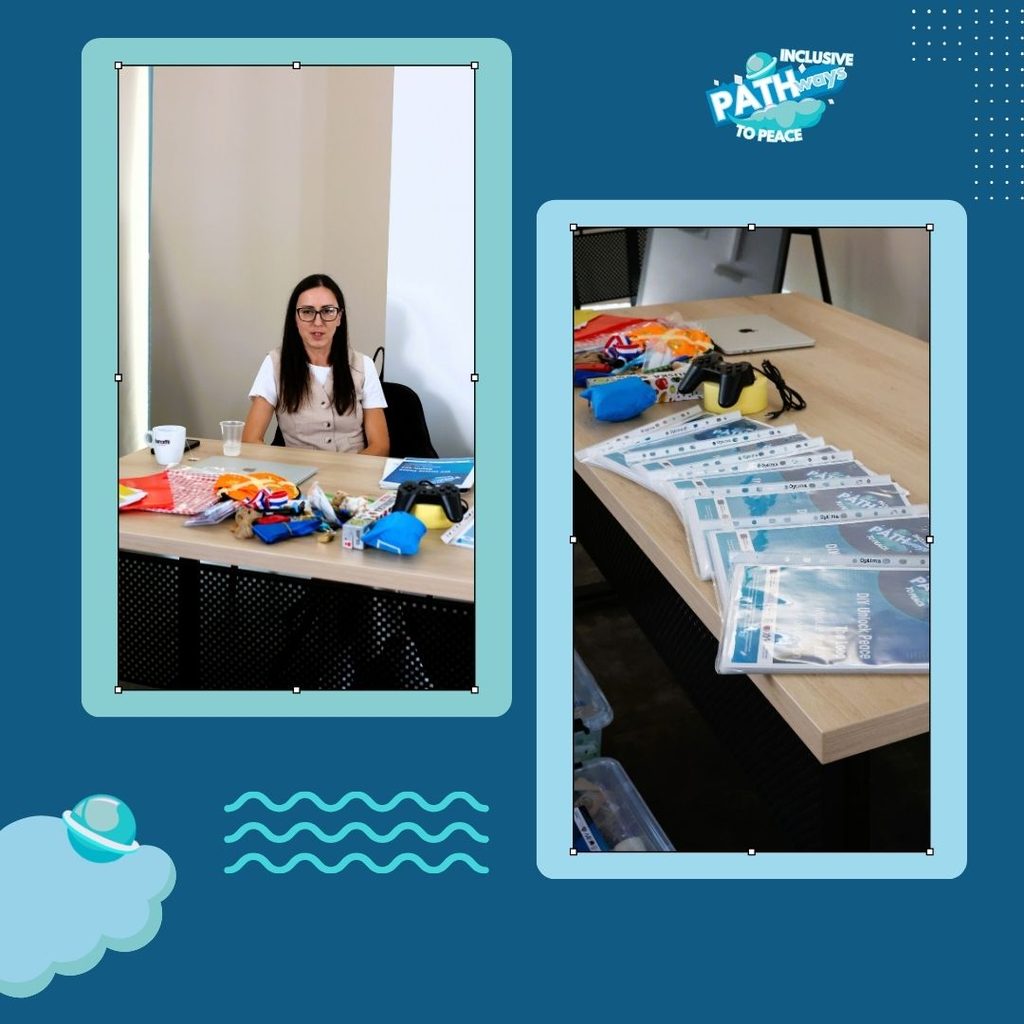
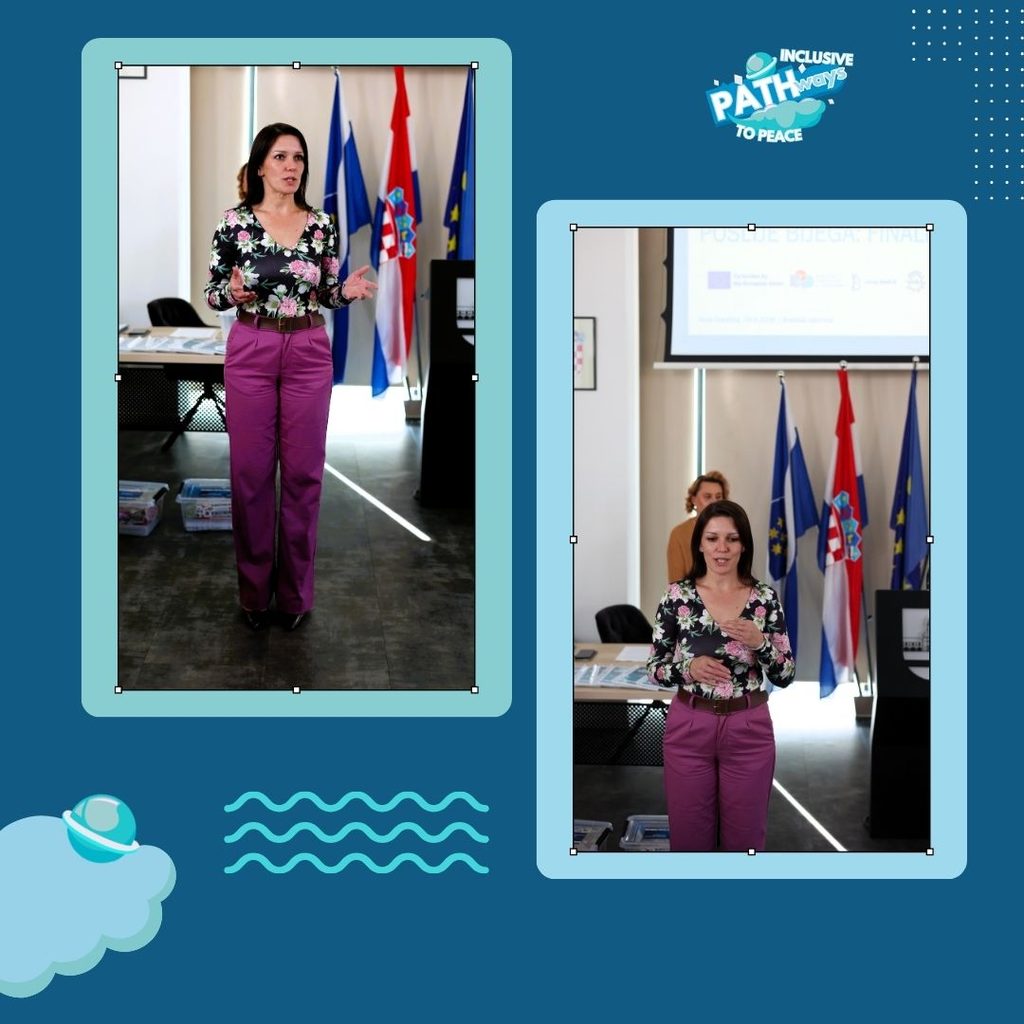
The next segment was dedicated to the creation of educational escape rooms (ERs) as a game-based learning methodology. Manuela described the process from the moment she first read the project proposal to her experience as a facilitator during the implementation. She introduced the attendees to the physical Escape Rooms (ERs) enhanced with 360-degree photo/video and AR features. She noted how such activities successfully develop cognitive and social skills in youth, with a special focus on empathy, teamwork, communication, and conflict resolution. After explaining the development process, which involved 8 additional young people, Manuela presented the “Peace puzzles Toolkit – Methodological guide”, as well as the “DIY Unlock Peace” booklet, which contains all the modules and materials for the Do-It-Yourself production of the 8 escape rooms. She also shared that the rooms were first piloted in March, then tested with local youth in May, and played once again during a ToT (Training of Trainers). Each time, participant feedback was excellent regarding the achievement of learning outcomes, the sense of fun, inclusion, accessibility of the tools, and teamwork.
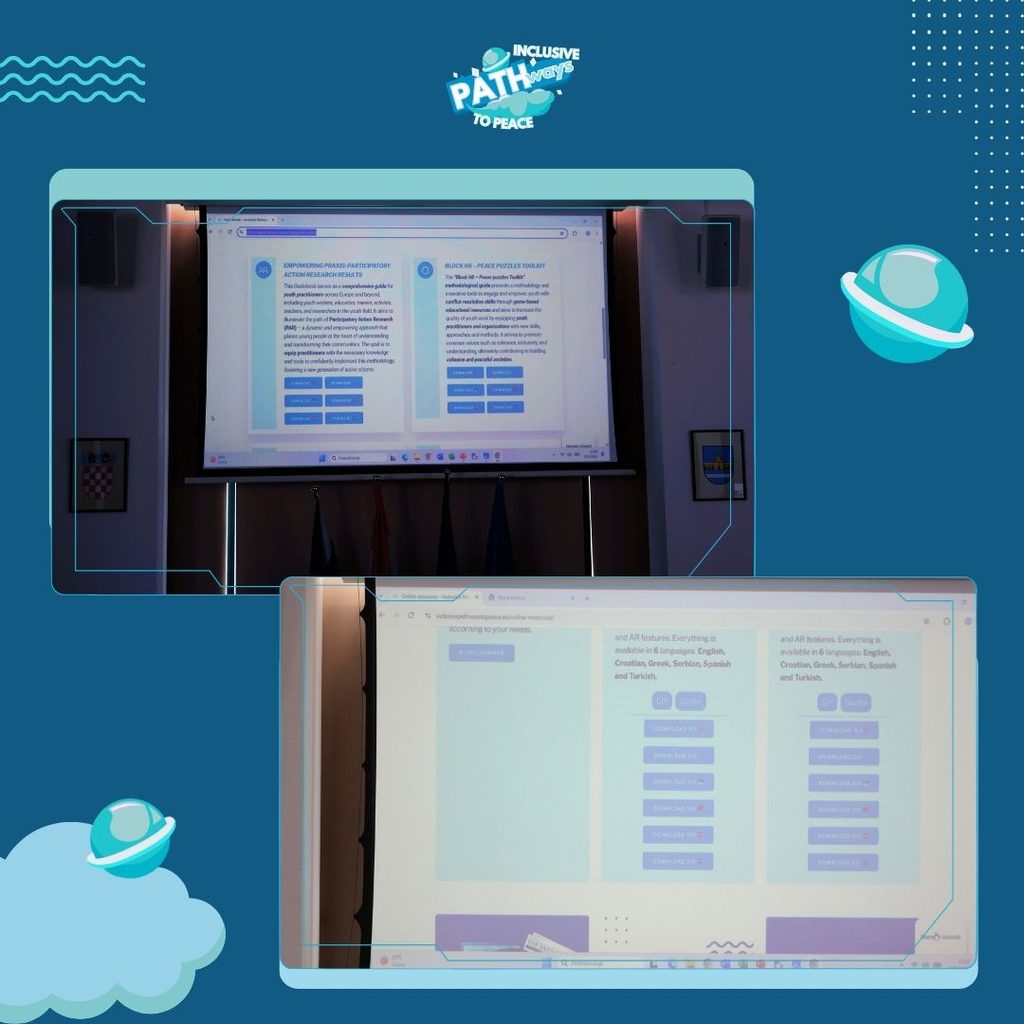
Finally, “The great escape: Designing effective educational escape rooms” guidebook was presented. It introduces a methodological framework guiding readers step by step on how to create physical educational escape rooms on any topic. This was followed by a presentation of our E-learning platform, through which participants can learn how to effectively use our OERs, conduct PAR research, and independently design an educational ER on any topic.
All these Open Educational Resources (OERs) are available for free download in 6 languages on this website. We invite everyone to learn something new through the free E-learning course, which upon successful completion grants a certificate of participation.
We would like to thank all conference participants for attending. The true value of these innovative tools is not just in solving puzzles or simply collecting data, but in creating memorable experiences, empowering youth, and fostering meaningful social engagement on peace building and active citizenship.
In conclusion, we encourage all individuals active in the youth field Youth Practitioners (YPs), educators, trainers, activists, teachers, and researchers to explore these materials and use them in their work to collectively continue developing the potential, knowledge, and skills of youth in our local community.

Comments are closed