
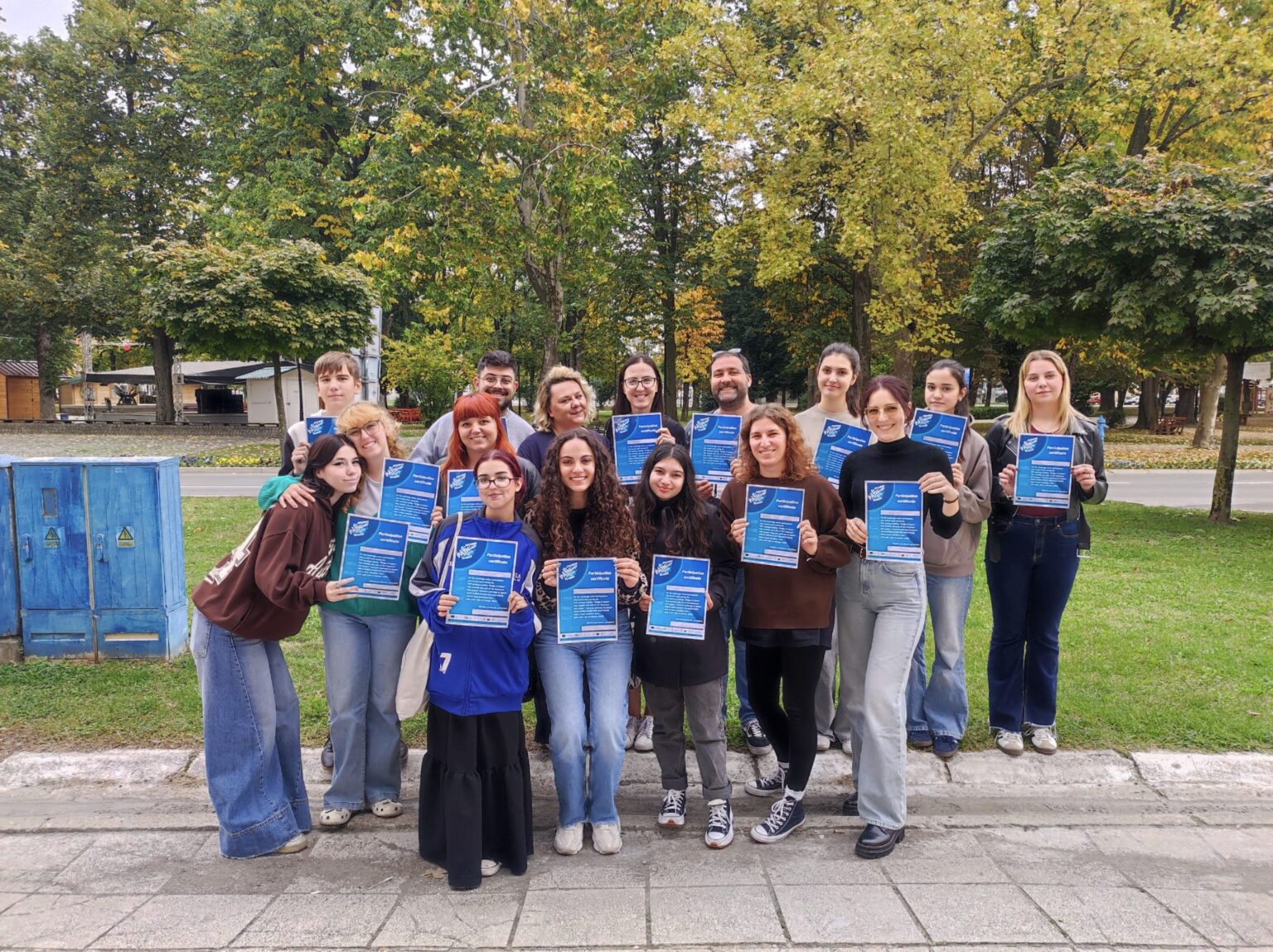
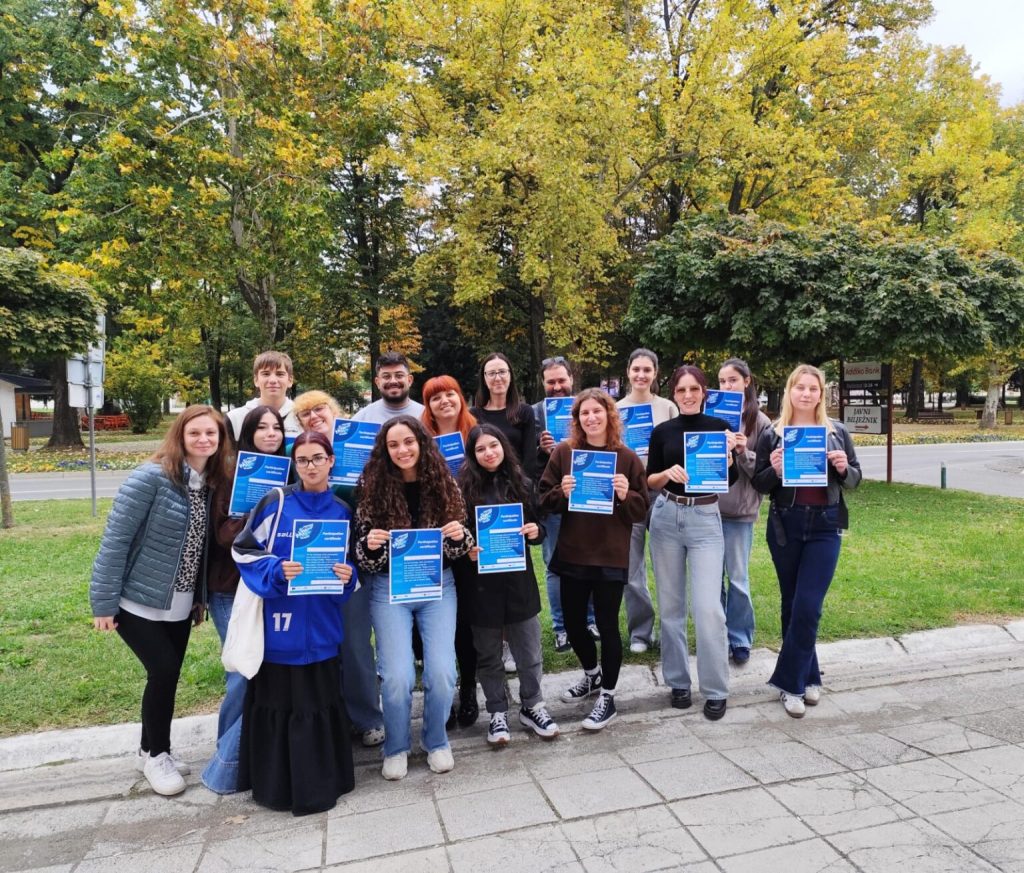
From 12 to 16 October 2025, working mobility called Peer-to-peer working mobility “Bridge of Peace” took place in Nova Gradiška as part of the Erasmus+ KA2 project “Inclusive Pathways to Peace”. The activity brought together young people and youth workers from Cyprus, Spain, Serbia, and Croatia. Its main goal was to promote peace education, strengthen solidarity, empathy, and non-violent communication, and to develop new and creative educational tools for working with young people, such as educational escape rooms that use digital tools. Through experiential learning, teamwork, and creative activities, participants showed that peace is not only a concept, but something we practice every day through the way we communicate and work together. The mobility was held during the European Erasmus+ Programme Week, highlighting the importance of learning, connection, and togetherness as core European values.
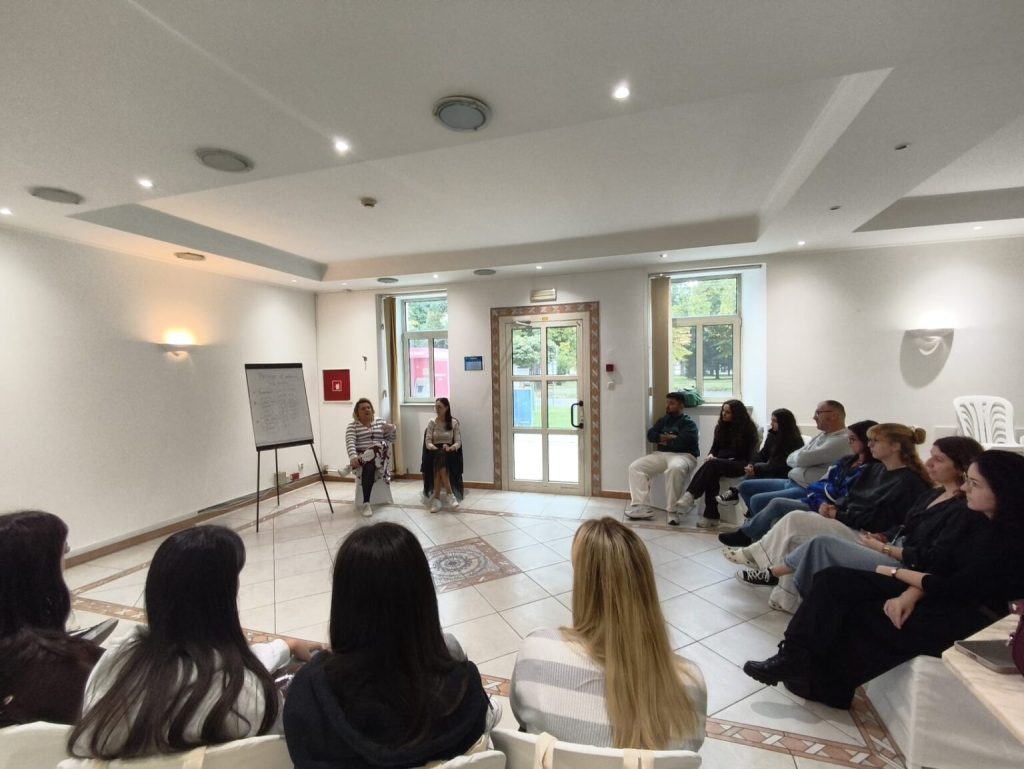
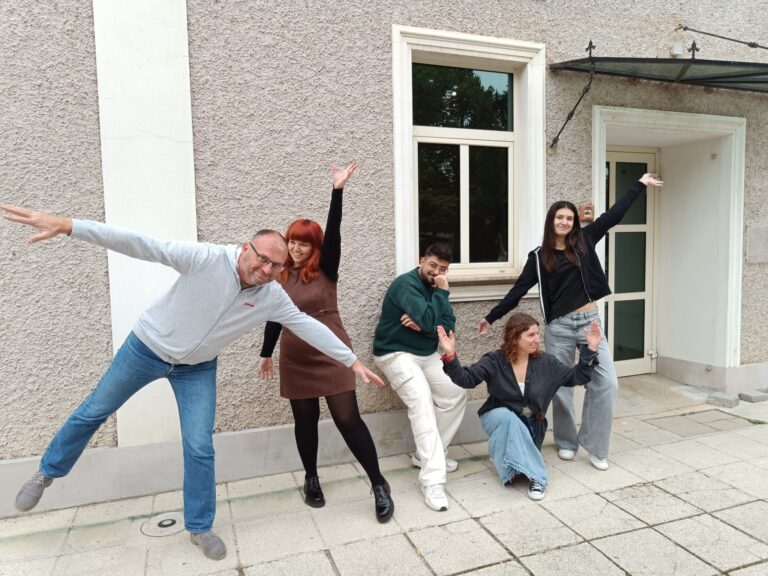
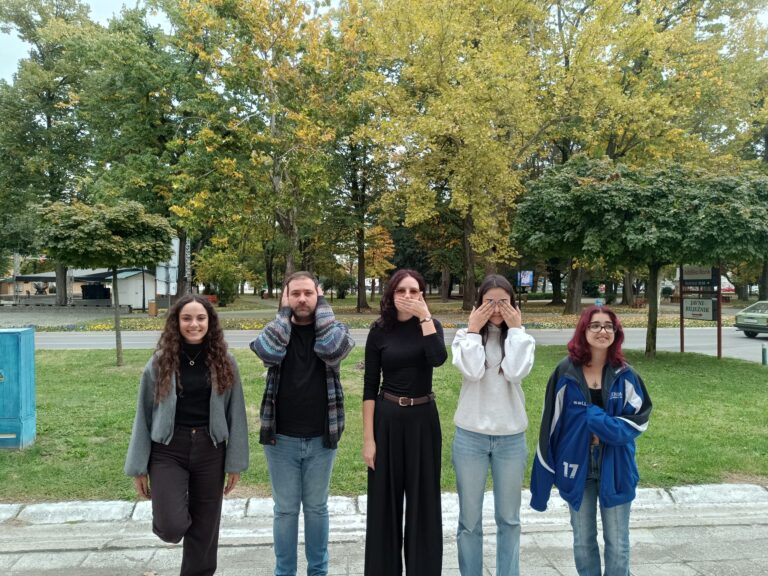
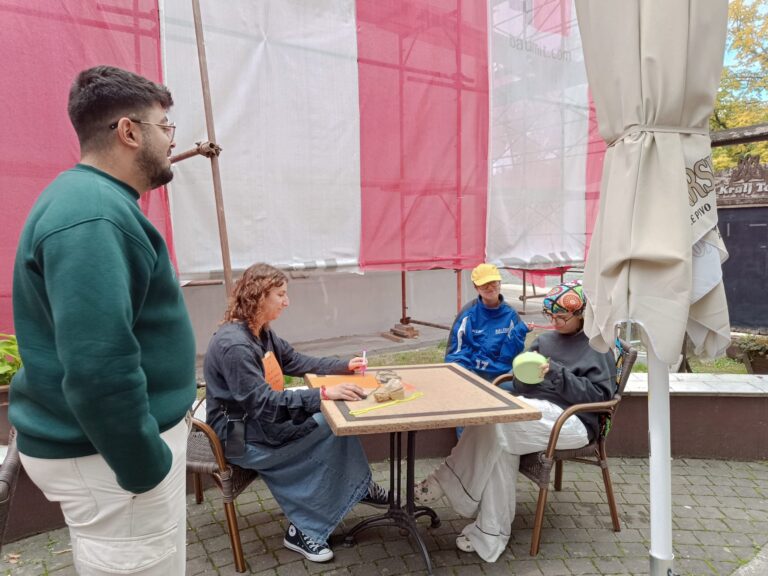
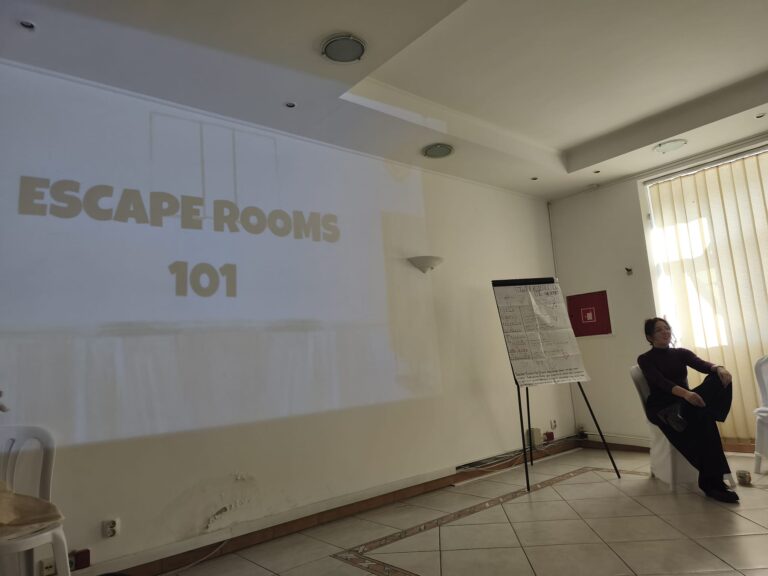
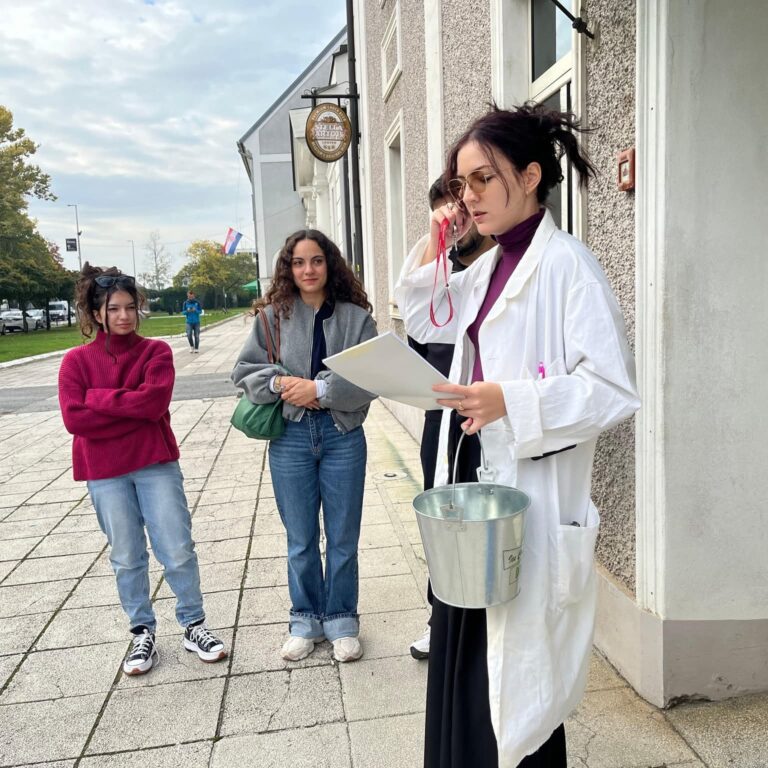
The programme started with getting to know each other, team-building activities, and an upcycling workshop. Using recycled materials, participants created sculptures that symbolised peace, empathy, non-violence, and solidarity. Later, they discussed what peace means on a personal and social level and which values young people see as essential for maintaining it. An important part of the programme was the analysis of research results collected within the project in all four countries, which helped participants identify key topics for peace-building and social equality. The second day began with an exciting escape room game designed by our partners from the Svetlost Association. Working in teams, participants solved puzzles and followed clues, learning how important cooperation, communication, and trust are when working toward a shared goal. After the game, participants learned about the process of creating educational escape rooms. Through workshops, they explored how to design educational games, including storytelling, learning goals, puzzle logic, and the use of digital tools such as augmented reality (AR) and 360° photos to create interactive learning experiences. Participants then worked in national teams to start developing their own escape room ideas based on the research findings. Teams from Serbia focused on themes such as the marginalisation of people living in poverty, discrimination, non-violent communication, and peaceful conflict resolution. Participants from Spain worked on escape rooms addressing different forms of violence, critical thinking, and media narratives, while teams from Cyprus focused on discrimination, marginalised groups, and institutional discrimination. Within our organisation, together with young people, we will develop escape room scenarios on digital hate speech and emotional intelligence. These educational escape rooms will allow young people to explore complex social topics in a fun, interactive, and youth-friendly way.
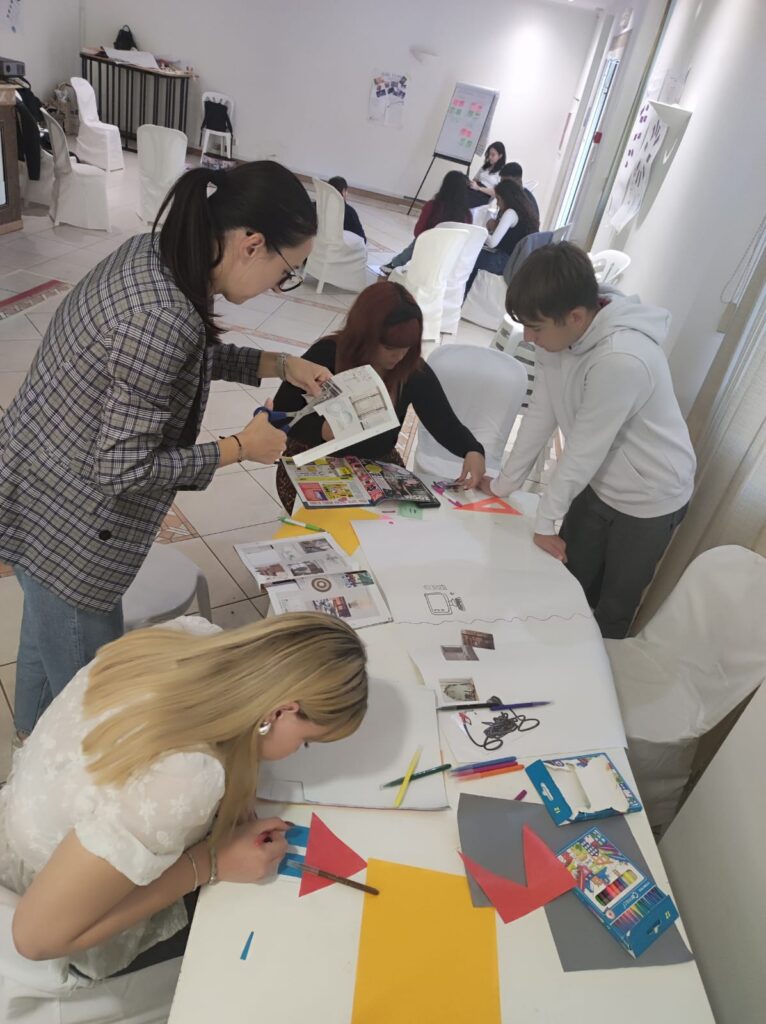
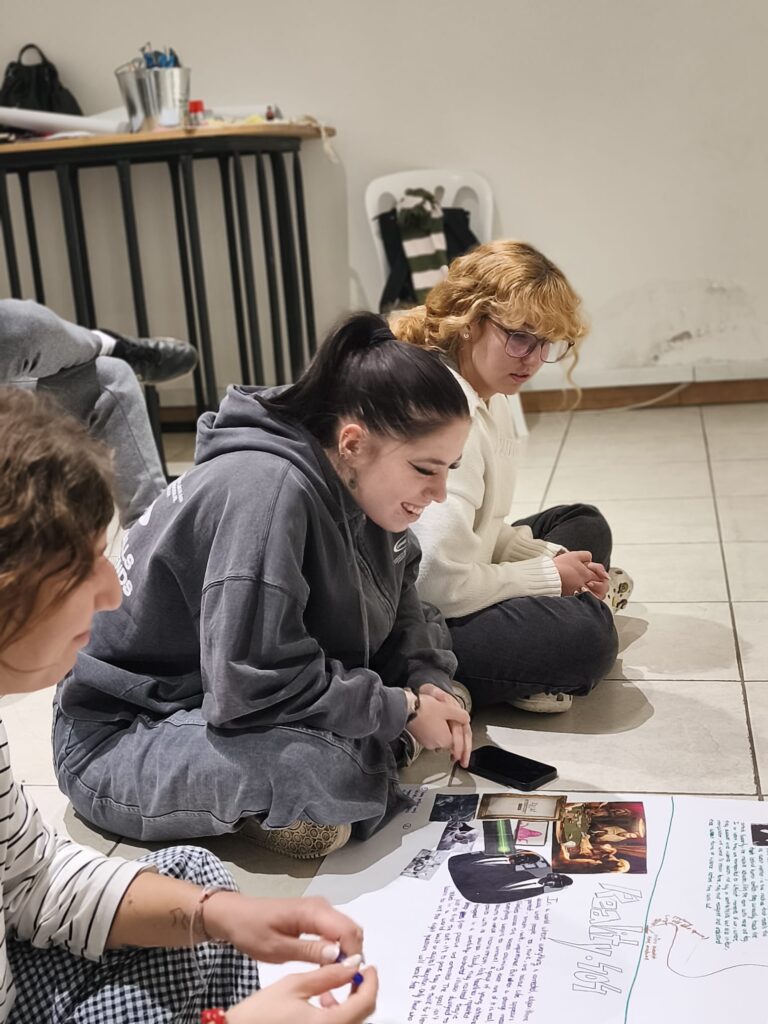
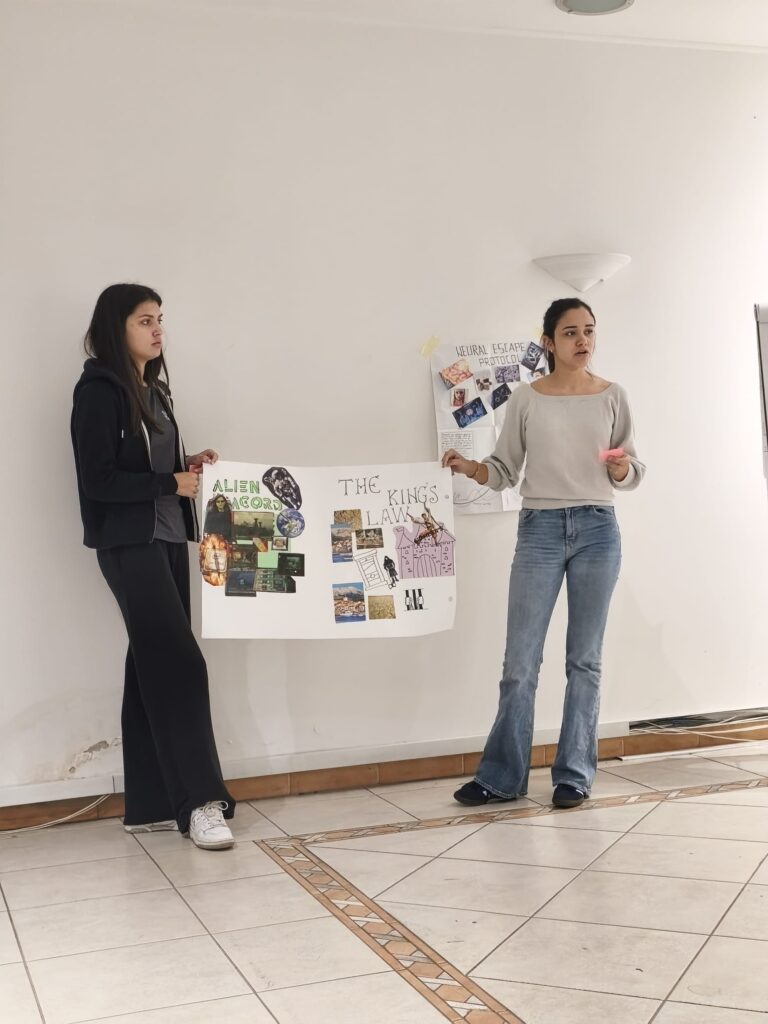
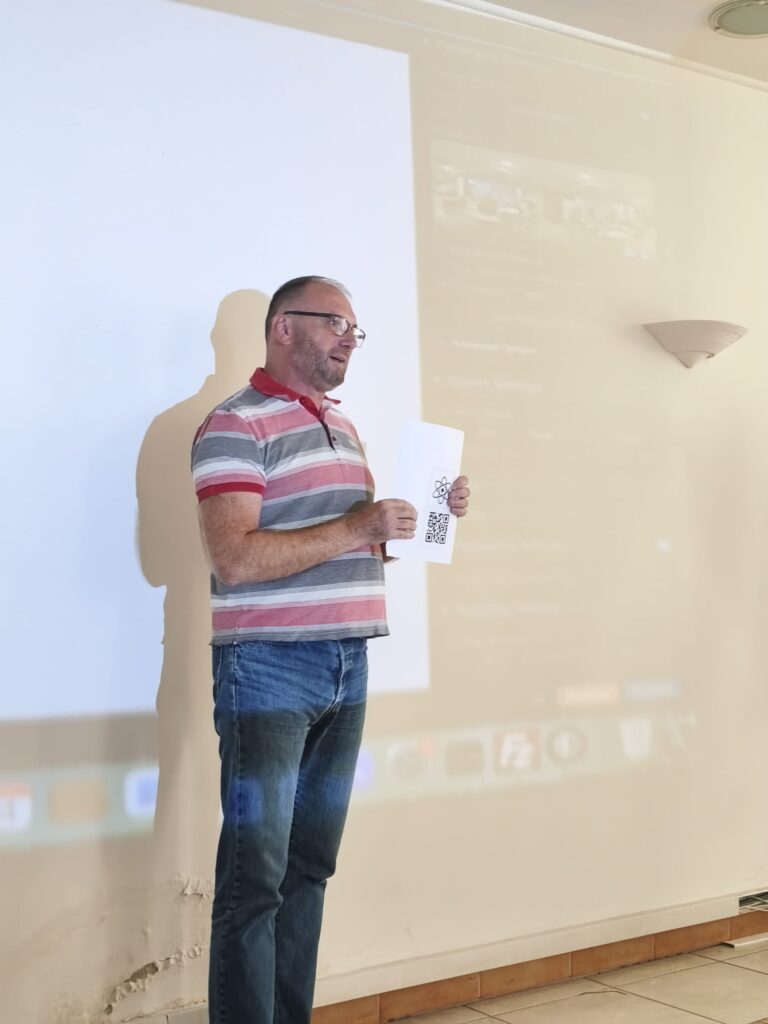
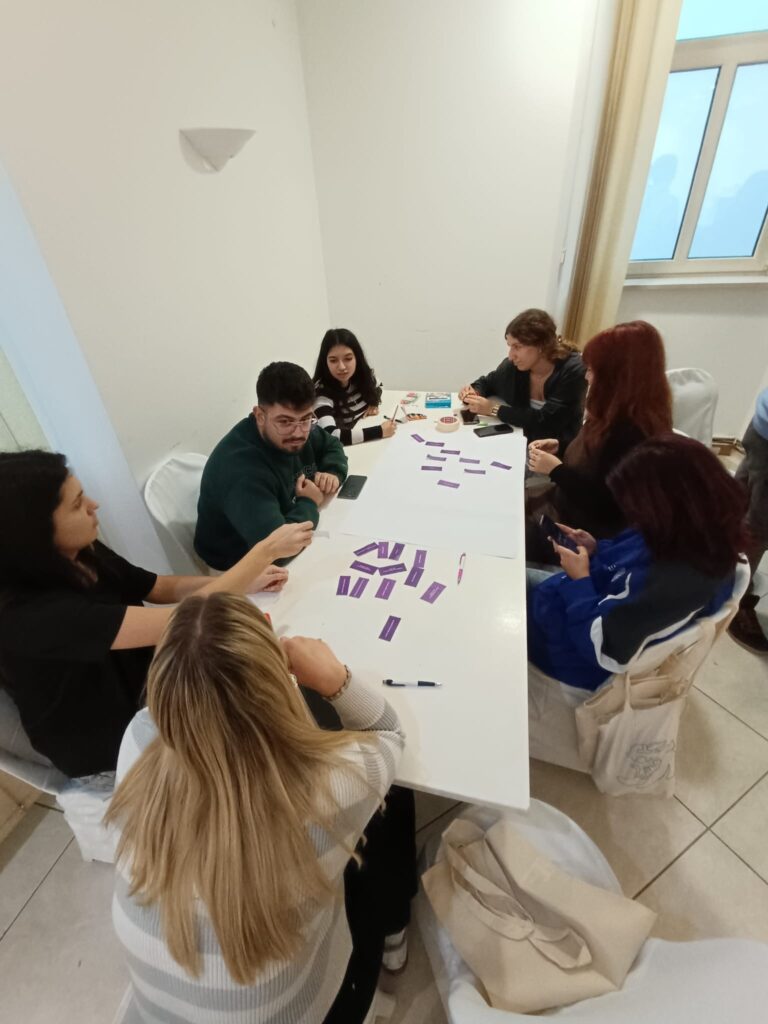
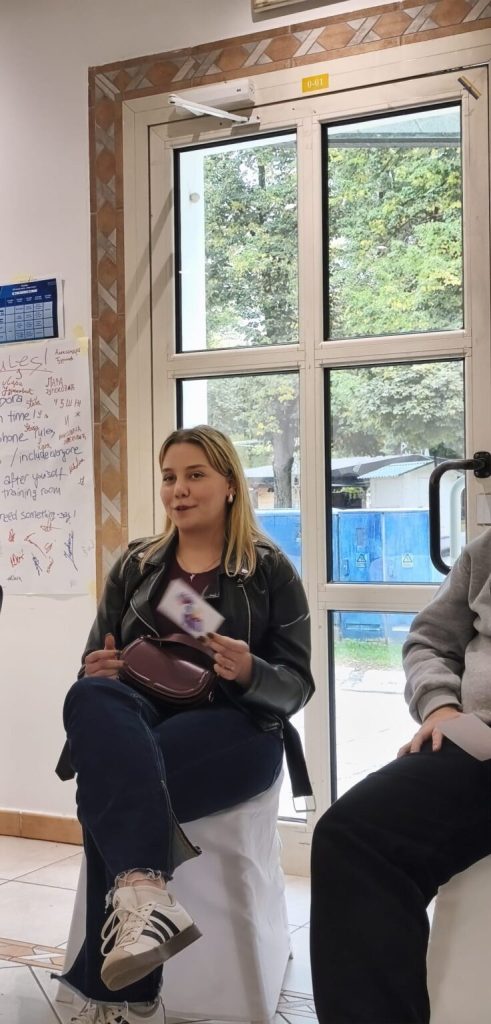
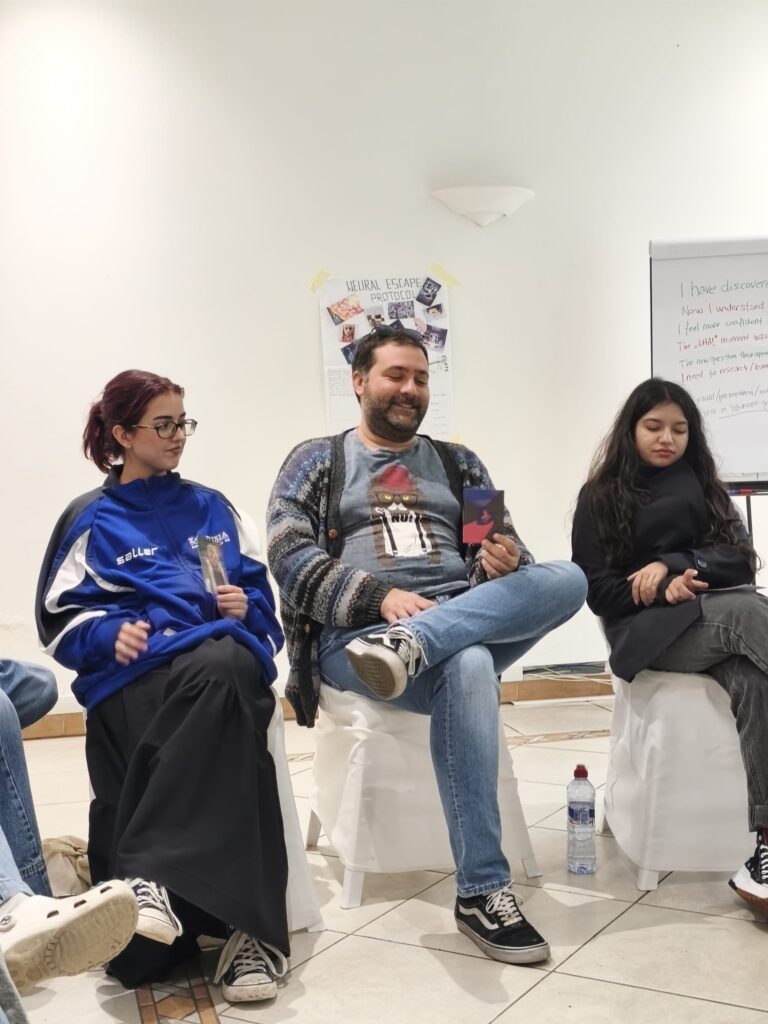
The final day was dedicated to creativity, presentations, and sharing ideas. Teams completed their concepts, chose materials, refined their stories, and presented their work to each other. Through discussion and feedback, the ideas were further developed into concepts that will soon become practical educational tools. In the final reflection and evaluation session, participants shared their impressions and key learnings, highlighting:
that games and creative methods can be powerful tools for intercultural learning,
that values such as peace, empathy, and solidarity can be expressed through art and play,
and that exchanging experiences between countries is essential, as many challenges faced by young people are shared.
The evaluation showed that the mobility had a strong impact on participants. Some of their reflections included:
“I realised how useful creative tools like AR and escape rooms are for intercultural learning.”
“It was interesting to see how similar the challenges young people face in different countries are.”
“I didn’t realise how much work goes into creating an educational escape room.”
“I now understand how we can teach peace and empathy through play, and how important communication and teamwork are.”
In the coming months, participants will continue developing their escape room ideas by involving more young people from their local communities, with support from youth workers from each partner organisation. Once the concepts are fully developed, the escape rooms will be tested with young people to evaluate their educational value and adapt them for practical use. This process will result in a sustainable non-formal learning model that can be used by different organisations working with young people.

Comments are closed