
Erasmus+ KA2 project “Inclusive Pathways to Peace”, led by the Studio B Association, aims to strengthen the capacities of youth organizations and young people by developing innovative and accessible educational materials in the field of peace education. The project also fosters values such as tolerance, inclusivity, empathy, and mutual respect, with the ultimate goal of building more connected and peaceful communities.
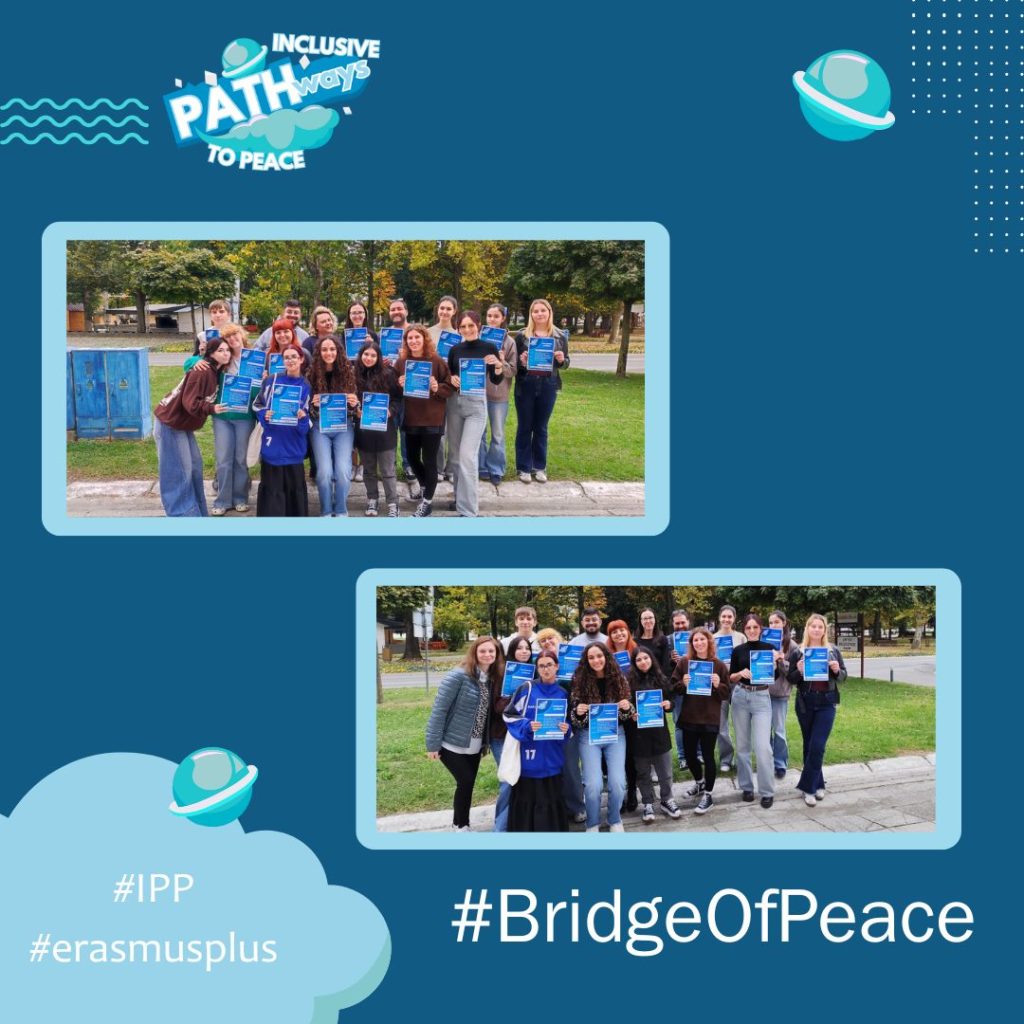
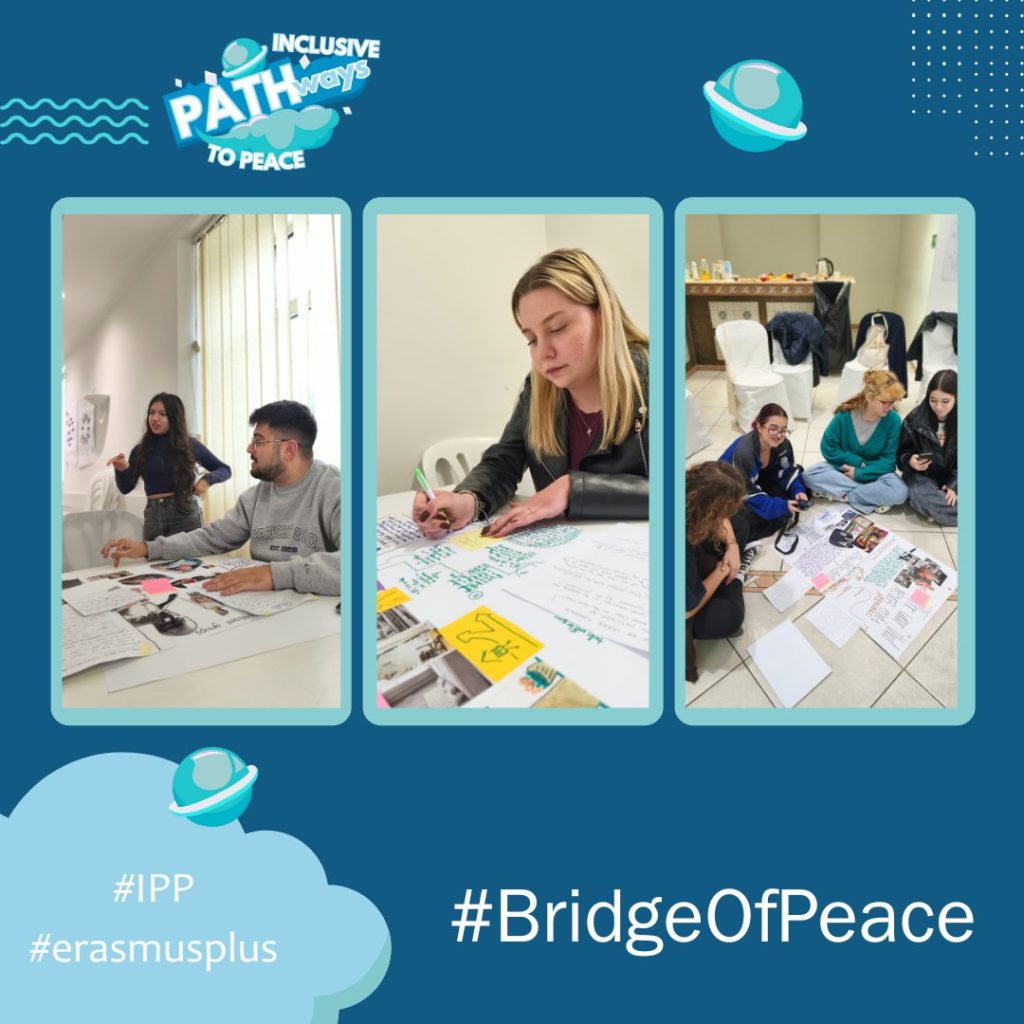
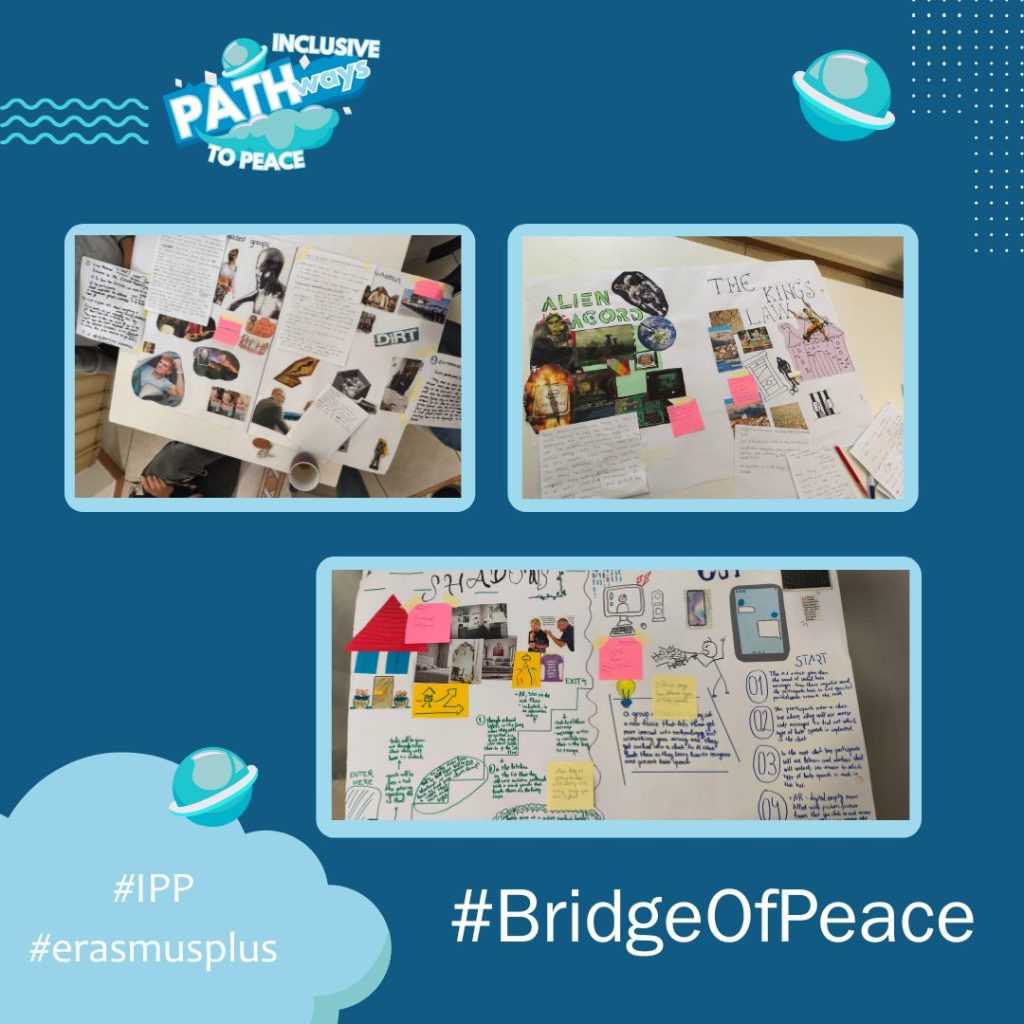
In October 2025, the project hosted the peer-to-peer mobility activity “Bridge of Peace”, which brought together young people and youth workers from Cyprus, Spain, Serbia, and Croatia. Through experiential learning and creative exercises, participants developed modern tools for youth work, with a special focus on educational escape rooms. During the mobility, participants learned the full process of designing escape rooms, enabling them to implement and share this knowledge within their own local communities.
Educational escape rooms are a powerful tool for non-formal learning, allowing young people to engage actively, learn through experience, and solve challenges in a safe and stimulating environment. Through play and teamwork, participants develop communication skills, empathy, and collaboration while exploring complex social topics such as conflict, hate speech, and emotional literacy. Their interactive and youth-friendly design makes escape rooms particularly effective in motivating young people, increasing engagement, and promoting a deeper understanding of social issues.
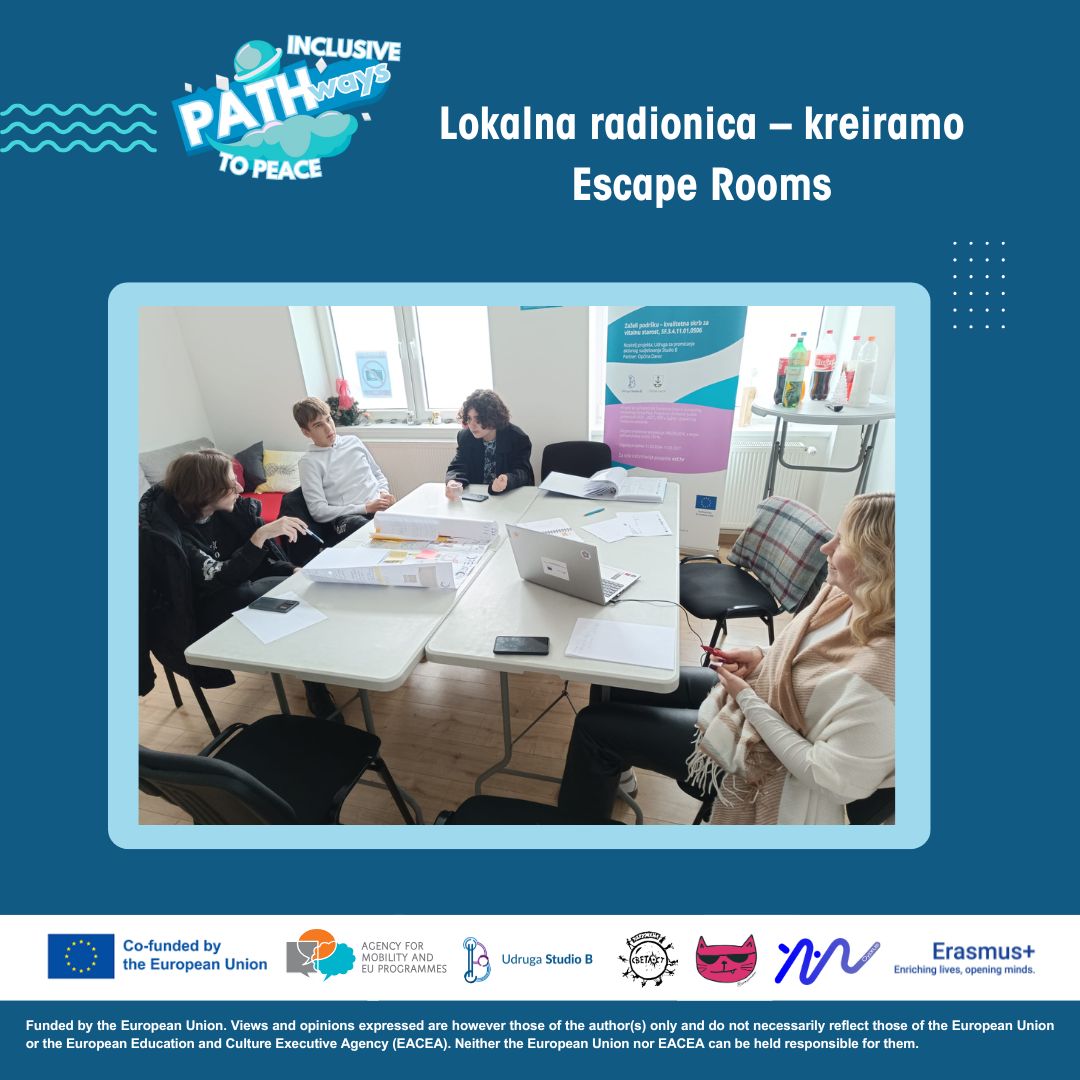
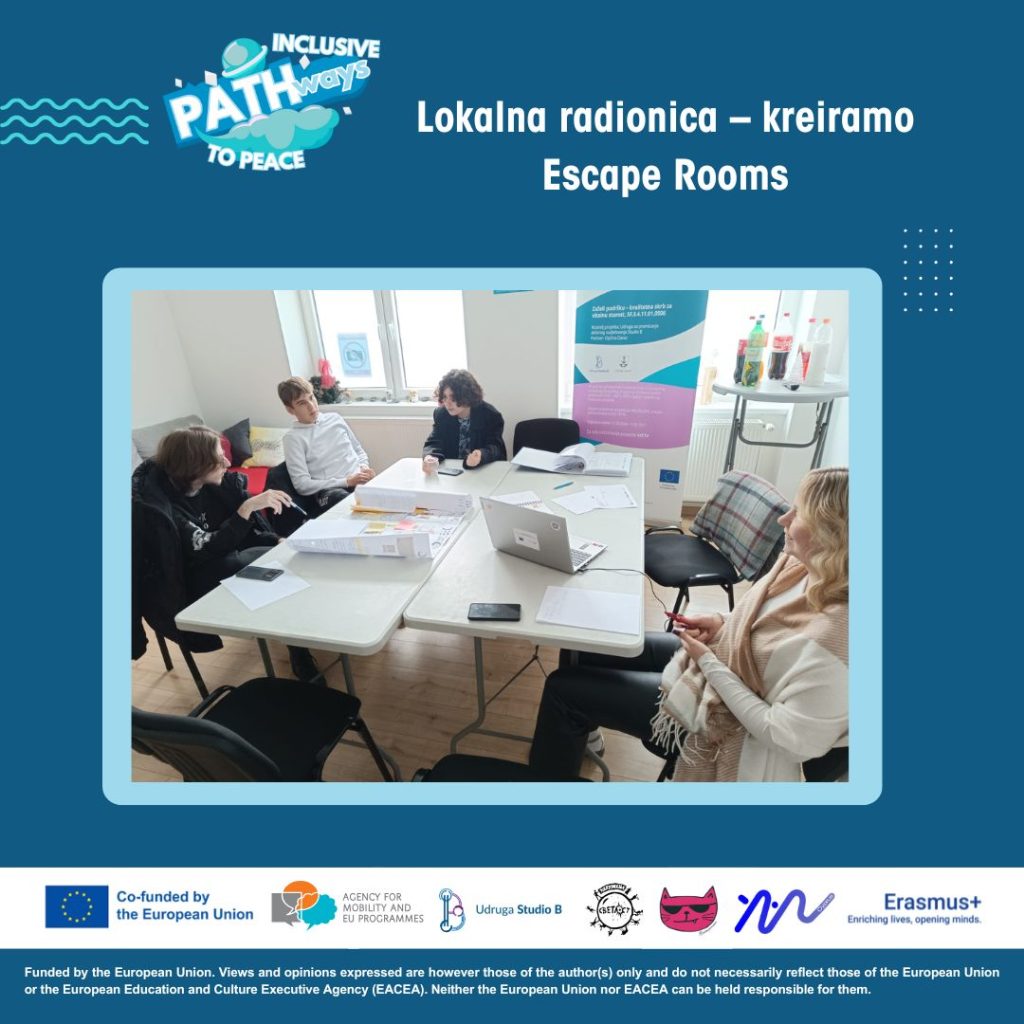
The skills and knowledge gained during the mobility were brought to the local level through workshops held in December and January at the Bodovaljci Community Center. Young participants, together with youth workers, took an active role in designing two escape rooms focused on digital hate speech and emotional intelligence. They were involved in all stages of development, including spatial design, game flow, and interactive elements, gaining a comprehensive understanding of how an escape room evolves from an idea to a finished product.
The workshops incorporated digital tools such as 360° photography, allowing participants to fully explore the space and tasks visually, fostering spatial awareness and teamwork. Augmented reality (AR) elements were also used, creating a dynamic experience where participants could interact with virtual objects, uncover hidden clues, and connect digital information with physical tasks. By combining 360° and AR technologies, young people engaged in a new form of experiential learning that simultaneously developed digital literacy, creativity, and problem-solving skills. Through this process, participants also strengthened their critical thinking, communication, and empathy, actively contributing to the creation of innovative educational content bridging the physical and digital worlds.
The outcome of these workshops is two fully developed escape room scenarios, which will soon be tested in an international setting. The testing phase will provide feedback from young participants and help refine the tools for broader application. In this way, the project contributes to the development of a sustainable and innovative model for non-formal learning, which can be used widely in both non-formal and formal educational contexts.

Comments are closed